

Most companies don't have a reproductive mental health strategy.
They have silence. And silence is costing them their best people.
Right now, somewhere in your organization, someone is going through IVF, recovering from a pregnancy loss, struggling their way through perimenopause, or trying to figure out how to come back after parental leave without losing their career momentum.
They haven't told anyone. They won't.
47% of employees going through reproductive health challenges never disclose at work. Not because they don't trust their manager. Because there's nothing in your culture, your policies, or your leadership's language that tells them it's safe to.
So they stay quiet. Performance dips. Engagement drops. And then one day they leave.
You call it burnout. You call it "not the right fit anymore." You note it in the exit interview and move on.
But nearly 1 in 5 employees have considered leaving specifically because of a lack of reproductive support. That's not burnout. That's a failure of infrastructure. And every quarter you don't address it, you lose people you didn't have to lose.
Why do companies need reproductive mental health support in the workplace?
Reproductive health challenges, including fertility treatment, pregnancy loss, postpartum adjustment, and perimenopause, are among the most common reasons employees disengage, underperform, or leave. Nearly 1 in 5 employees have considered leaving their job due to a lack of reproductive support, and 47% never disclose what they're going through at work.
Without structured support, training, and clear policy, organizations lose experienced talent to problems they never see coming. Corporate reproductive mental health workshops give leaders and managers the language, skills, and infrastructure to retain employees through these transitions instead of losing them to silence.

The gap between what you think is happening and what's actually happening is where the damage lives.
Your managers hear "I'm going through fertility treatments" and freeze. Your leave policies technically exist but nobody's sure what they actually cover. Your postpartum return-to-work process is "welcome back, here's your laptop."
Your perimenopause support is nonexistent, and the people affected are your most senior women.
None of this is malicious. Most of it is invisible. That's what makes it so expensive.
The Gap
Foundational Workshops
Your leaders need language they can actually use.
Available as a 60-minute session, 90-minute deep dive, half-day, or full-day training.
We cover the areas where silence does the most damage: fertility and the hidden mental load, pregnancy loss and how to respond without causing harm, postpartum return-to-work, perimenopause and performance, and what managers should say when someone discloses something they weren't expecting to hear.
This isn't awareness training. Awareness doesn't change behaviour. This is applied skill.
Manager and Leadership Training
Your managers want to help. They just don't know how, so they default to saying nothing, which employees read as "this isn't welcome here."
We train managers and leadership on how to respond to sensitive disclosures, how to hold performance conversations with context, how to balance empathy with accountability, and how to support without overstepping or creating legal exposure.
The goal isn't making managers into therapists. It's making sure they stop being the reason someone decides to leave.
Policy and Communication Review
Your policies need to match your intentions.
We audit what you have: leave policies, benefits, internal communications, manager guidance. Then we identify what's missing, what's misaligned, and what's technically there but functionally invisible.
Then we fix it. Because a policy nobody knows about isn't support. It's a liability.
Custom Strategy and 30-60-90 Day Action Plan
We don't leave you with ideas. We leave you with a plan.
Every engagement includes a tailored roadmap: immediate communication shifts and quick-win adjustments in the first 30 days, policy implementation and leadership alignment by 60, and full integration into culture and systems by 90 — with a feedback loop built in.
What we offer
Foundational Workshops
Your leaders need language they can actually use.
Available as a 60-minute session, 90-minute deep dive, half-day, or full-day training.
We cover the areas where silence does the most damage: fertility and the hidden mental load, pregnancy loss and how to respond without causing harm, postpartum return-to-work, perimenopause and performance, and what managers should say when someone discloses something they weren't expecting to hear.
This isn't awareness training. Awareness doesn't change behaviour. This is applied skill.
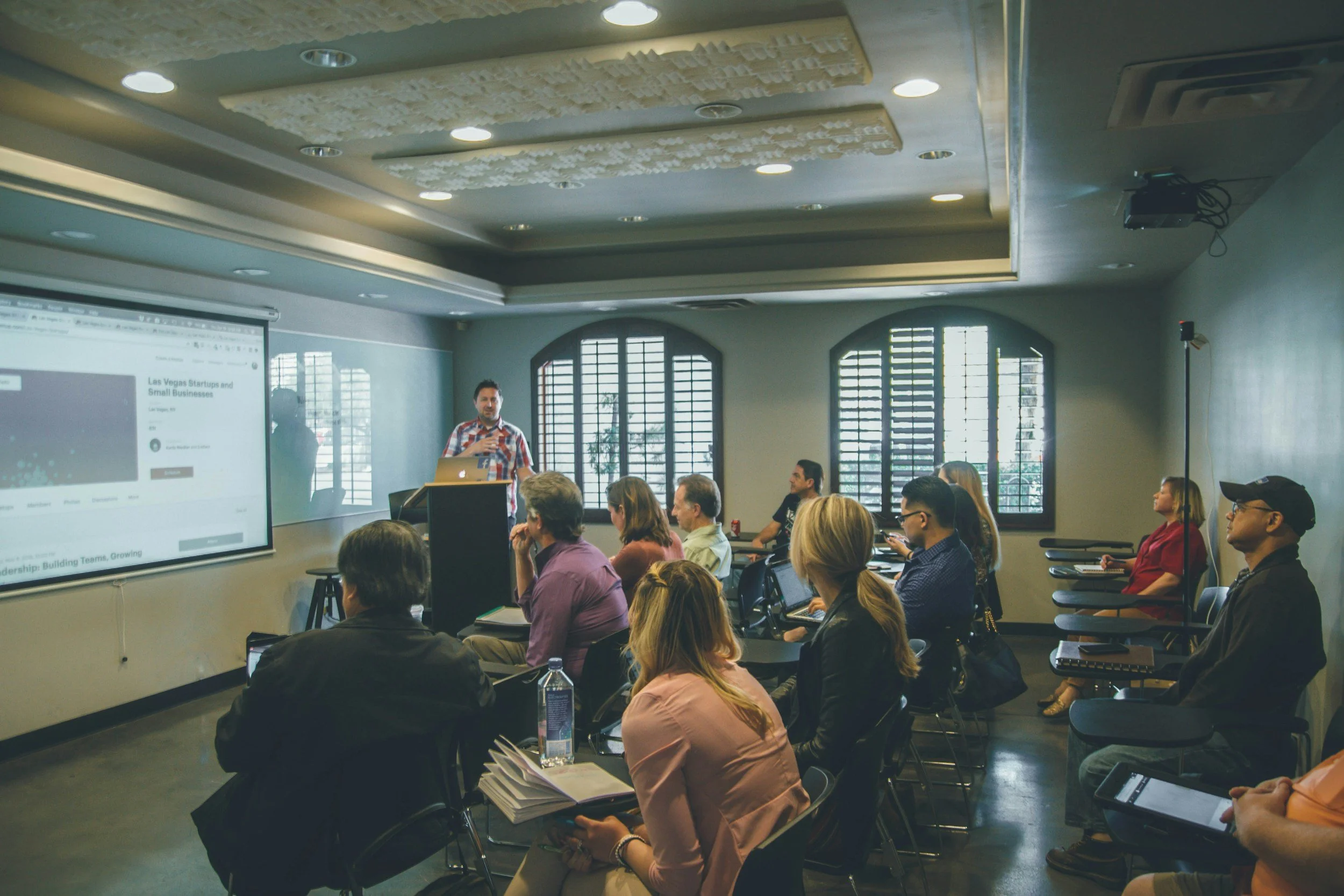
Manager and Leadership Training
Your managers want to help. They just don't know how, so they default to saying nothing, which employees read as "this isn't welcome here."
We train managers and leadership on how to respond to sensitive disclosures, how to hold performance conversations with context, how to balance empathy with accountability, and how to support without overstepping or creating legal exposure.
The goal isn't making managers into therapists. It's making sure they stop being the reason someone decides to leave.
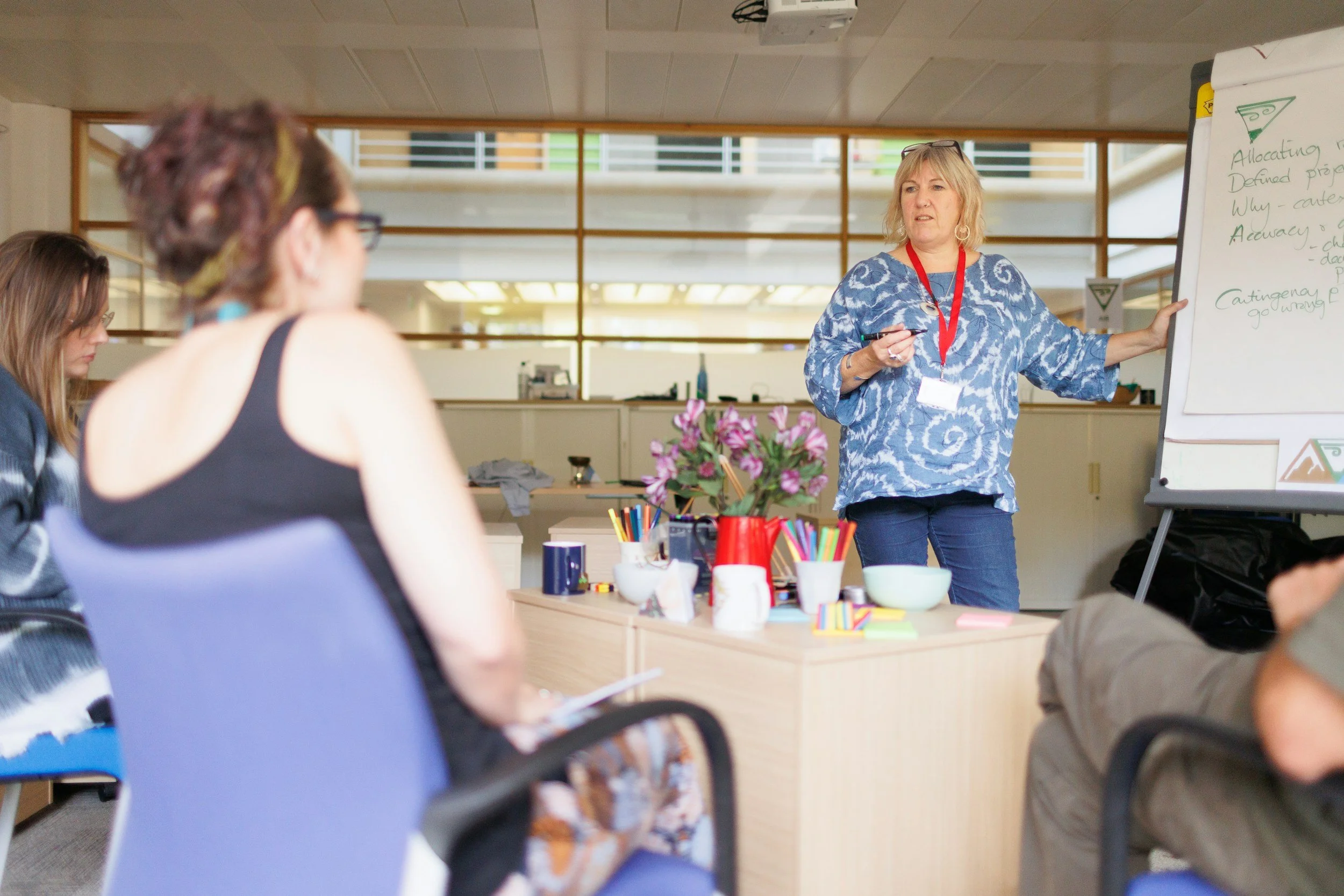
Custom Strategy and 30-60-90 Day Action Plan
You get a plan, not a PDF.
Every engagement includes a 30-60-90 day roadmap built for your organization. Immediate communication shifts and quick wins in the first 30 days. Policy implementation and leadership alignment by 60. Full integration into culture and systems by 90, with a feedback loop built in so it holds.
We don't hand you a report and wish you luck. We build the infrastructure and make sure it sticks.


Policy and Communication Review
Your policies need to match your intentions.
We audit what you have: leave policies, benefits, internal communications, manager guidance. Then we identify what's missing, what's misaligned, and what's technically there but functionally invisible.
Then we fix it. Because a policy nobody knows about isn't support. It's a liability.
What changes
Organizations we work with see:
Employees feeling safer disclosing what's actually going on
Managers responding with confidence instead of avoidance
Fewer misunderstandings around leave and return-to-work
Stronger retention of mid-career women and parents
Fewer people leaving quietly — and less burnout nobody can explain
Who this is for
HR and People teams, senior leadership, and organizations in finance, tech, healthcare, and professional services — particularly those with a large population of employees aged 25–55 who are seeing performance and retention issues they can't fully account for.
Let’s Talk
If you're noticing burnout that doesn't quite make sense, high performers stepping back without explanation, or a gap between your policies and what employees are actually experiencing — we'd love to talk.
Reproductive mental health is complex. Supporting it at work doesn't have to be.
FAQs
4
How long are the workshops?
1
Sessions are available in four formats: a 60-minute lunch and learn, a 90-minute deep dive, a half-day training, or a full-day program. We'll recommend the right format based on your team size, goals, and what you're trying to solve.
Is this therapy?
2
No. This is workplace training and strategy. Mila brings a clinical lens to organizational problems, which means the content is psychologically informed, but the focus is on skills, language, and systems, not individual treatment.
What industries do you work with?
3
We work across finance, tech, healthcare, and professional services, though the issues we address aren't industry-specific. If you have employees aged 25 to 55 and you're seeing retention or engagement patterns you can't fully explain, this is likely relevant.
What if we already have an EAP or wellness program?
5
Most organizations do. The issue is that EAPs are reactive and generic. They don't train your managers, they don't fix your policies, and they don't address the specific silence around reproductive health. This work fills the gap between what your EAP covers and what your employees actually need.
What does an engagement look like?
Every engagement is scoped to your organization. Most start with a discovery call, move into workshops or training, and include a 30-60-90 day action plan so the work holds after we leave.